
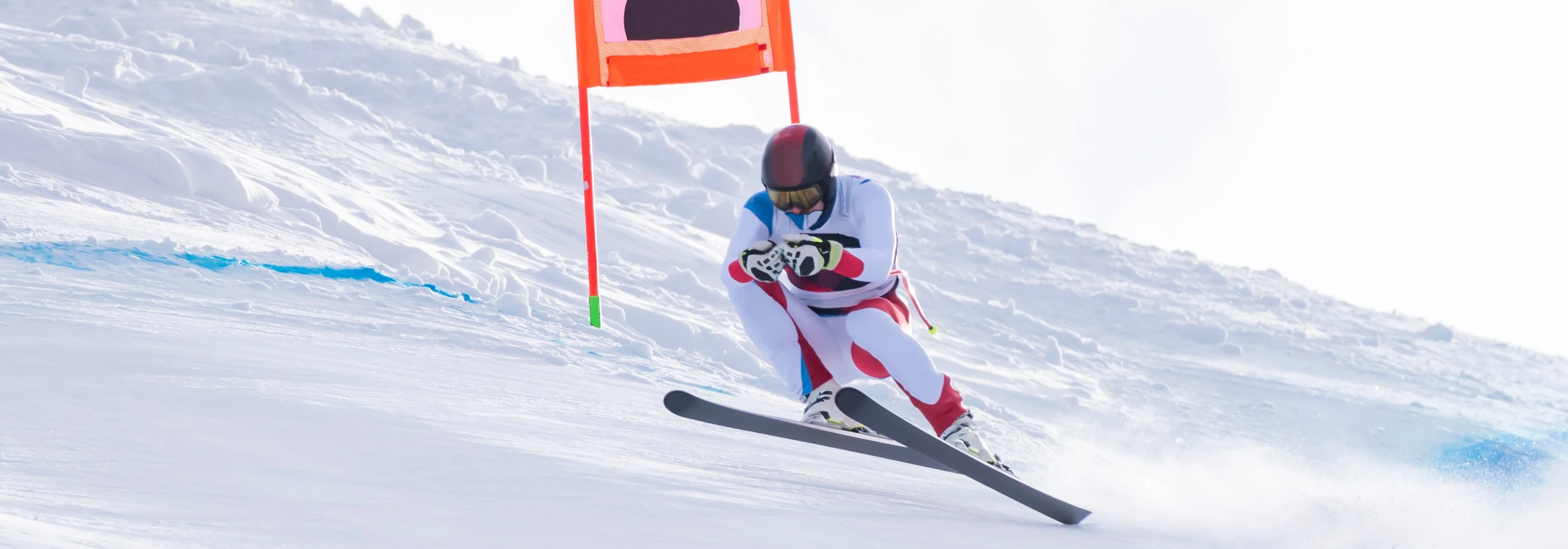
Ski Alpine Racing
“ Forget safety. Live where you fear to live. Destroy your reputation. Be notorious - Rumi ”
“ I learned that courage was not the absence of fear but the triumph over it. The brave man is not he who does not feel afraid, but he who conquers that fear. - Nelson Mandela ”
“ Use your fear…it can take you to the place where you store your courage. -Amelia Earhart ”
“ Forget safety. Live where you fear to live. Destroy your reputation. Be notorious - Rumi ”
“ I learned that courage was not the absence of fear but the triumph over it. The brave man is not he who does not feel afraid, but he who conquers that fear. - Nelson Mandela ”
“ Use your fear…it can take you to the place where you store your courage. -Amelia Earhart ”
“ Forget safety. Live where you fear to live. Destroy your reputation. Be notorious - Rumi ”
Alpine racers achieve speeds, upwards of 100 kph (60 mph), all while executing sharp turns. Professional skiers will hit speeds ranging between 129 – 153 kph (80 to 95 mph). Every few years, a professional alpine racer loses control and pays the ultimate price.
- Slalom, Giant Slalom and Super-G are more technical events in alpine skiing with focus on turning through a set number of gates based on a set vertical drop. The difference between the three is that the spacing between the gates are further apart. Speeds may reach 40 km/h (25mph).
- Downhill is likely the most dangerous discipline, having the largest vertical drop and gates that are far apart. Here is where extraordinary speeds are reached.
- Combined is an event where the skier goes down a shortened downhill course and down a slalom slope. Combined fastest time wins.
- Speed skiiers race downhill in a straight line, aiming to achieve the highest possible speed. Skiiers wear specialized equipment, including long skis, tight speed suits, and aerodynamic helmets. Speed skiers regularly exceed 200 km/h (124 mph), with the current world record held by Simon Billy, who reached an astonishing 255.5 km/h (158.760 mph) in Vars, France, on March 22, 2023.
FICOR Score
(Fatality & Injury Classification of Risk)
FICOR score is based on XDGE's proprietary scoring system
Minimum score to be considered for XDGE is 50, and the maximum is 100. This FICOR score is based on available data combined with XDGE's proprietary scoring system which weights several factors based on importance, including: insurance risk scores for the particular activity being evaluated, reaction time available as an adverse event unfolds, speed, height, depth, technical difficulty, ability to mitigate risk during activity, availability of backup equipment, involvment of other participants, location of activity, mental focus required, outcome resulting of most mishaps such as death or hospitalization, and a determination of the likelihood of having a major accident if that sport is done frequently.
Events
View all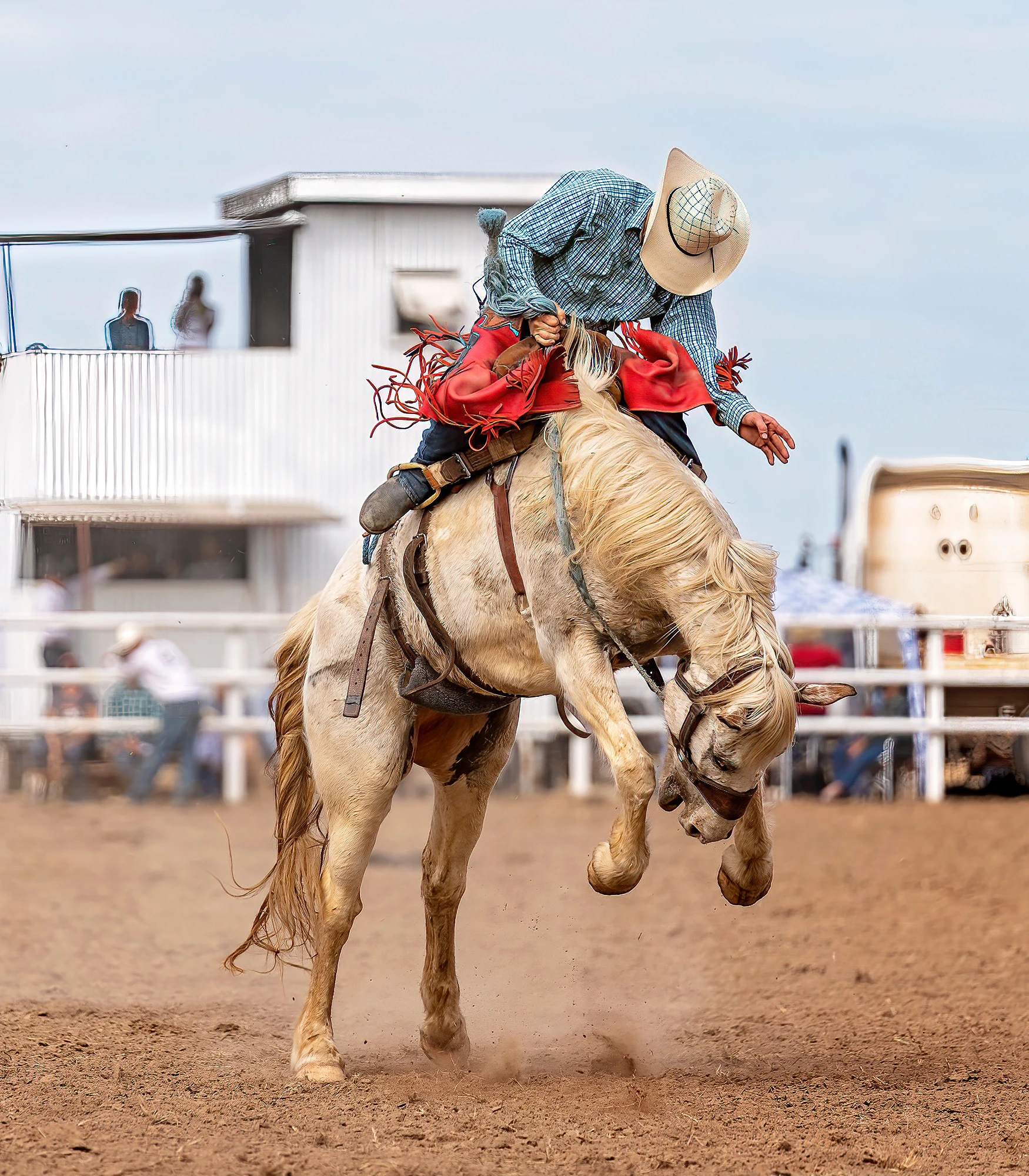
The American Rodeo Central Regional Qualifier
- Apr 16, 2026 | 02:00 PM to Apr 16, 2026 | 02:00 PM
- 3001 General Pershing Blvd
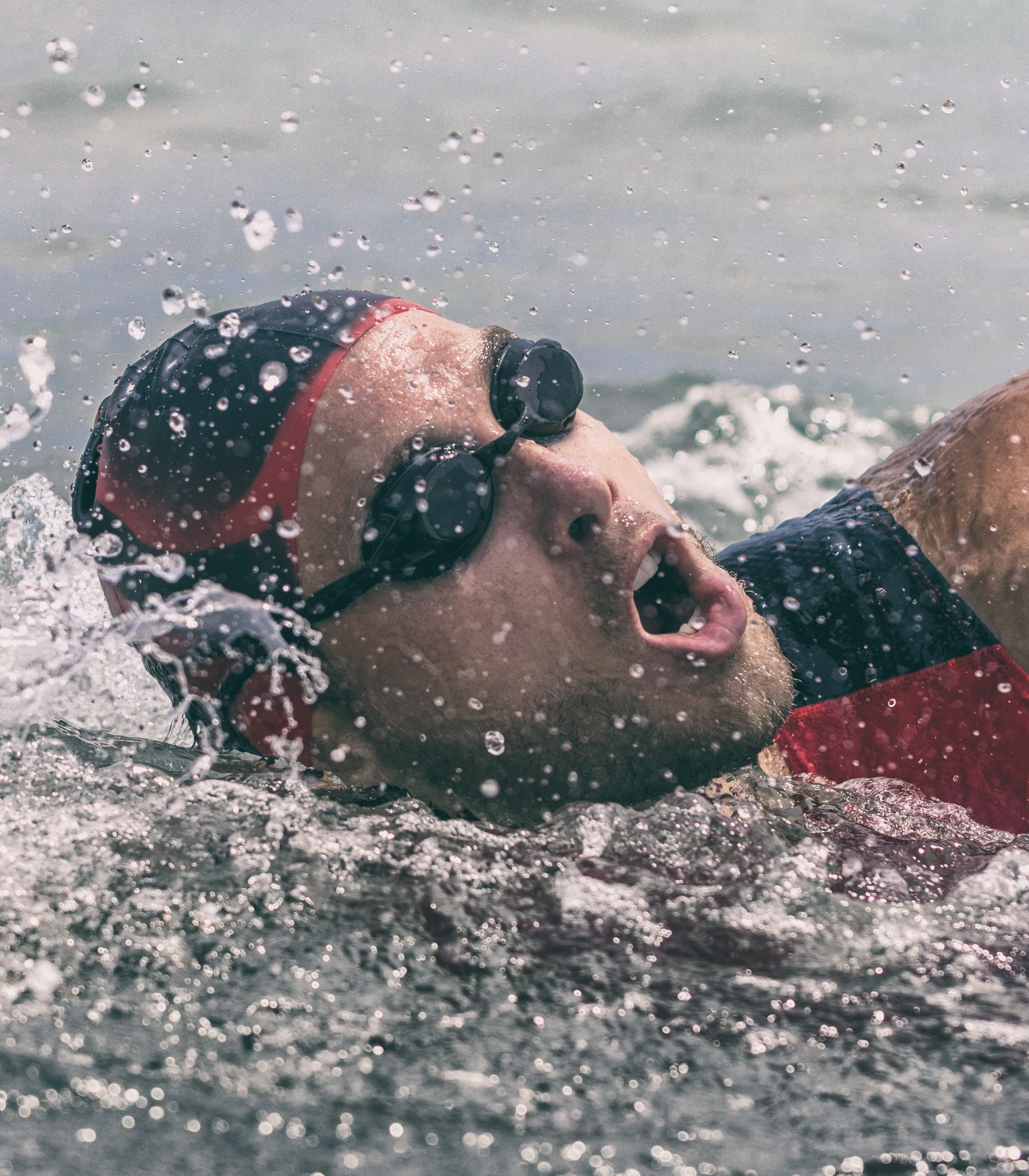
IRONMAN Texas
- Apr 17, 2026 | 12:00 PM to Apr 17, 2026 | 12:00 PM
- 2505 Lake Woodlands Dr, The Woodlands, TX
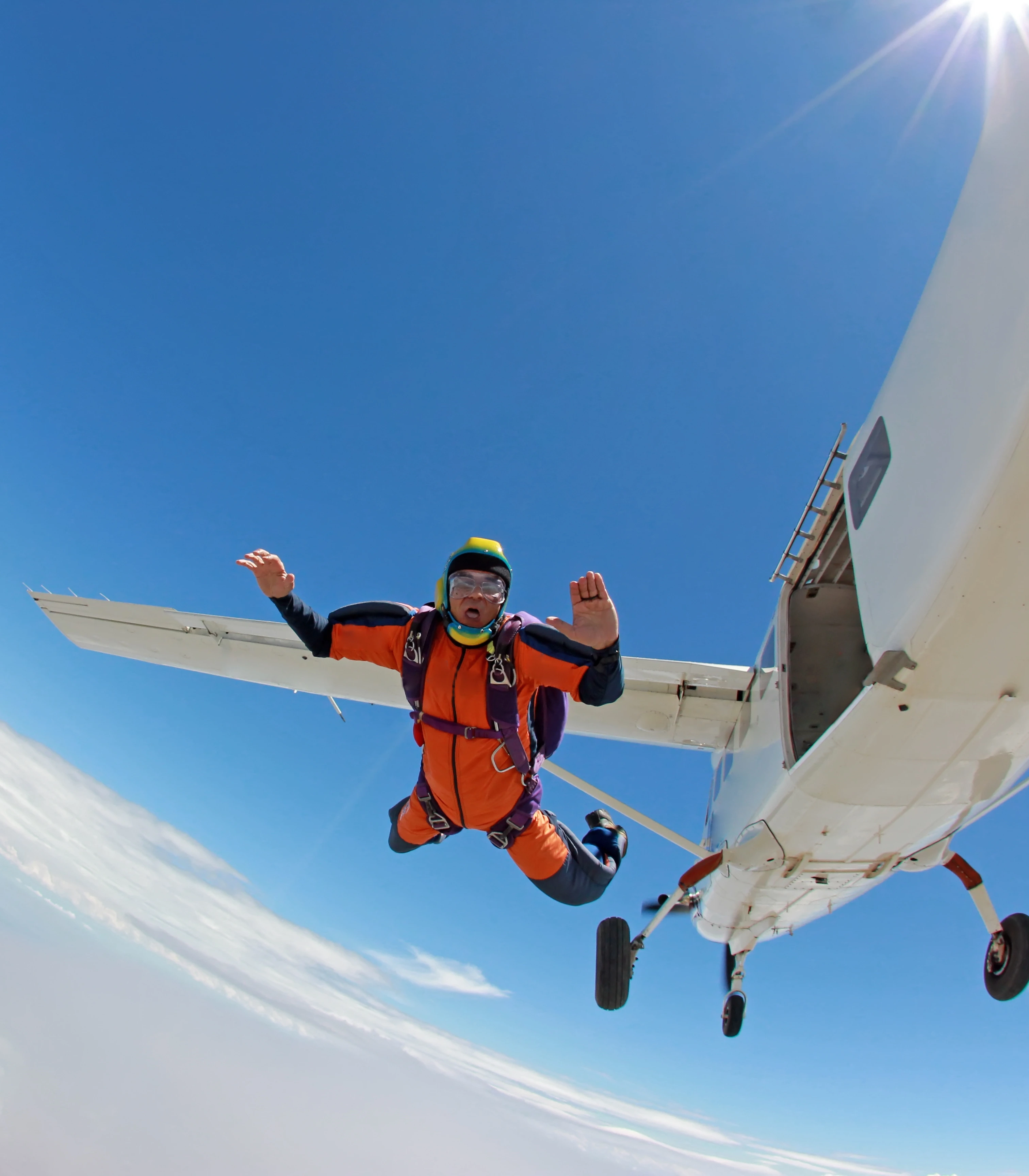
CarolinaFest Boogie 2026
- Apr 17, 2026 | 01:00 PM to Apr 17, 2026 | 01:00 PM
- Skydive Carolina, 1418 Midwood Rd