
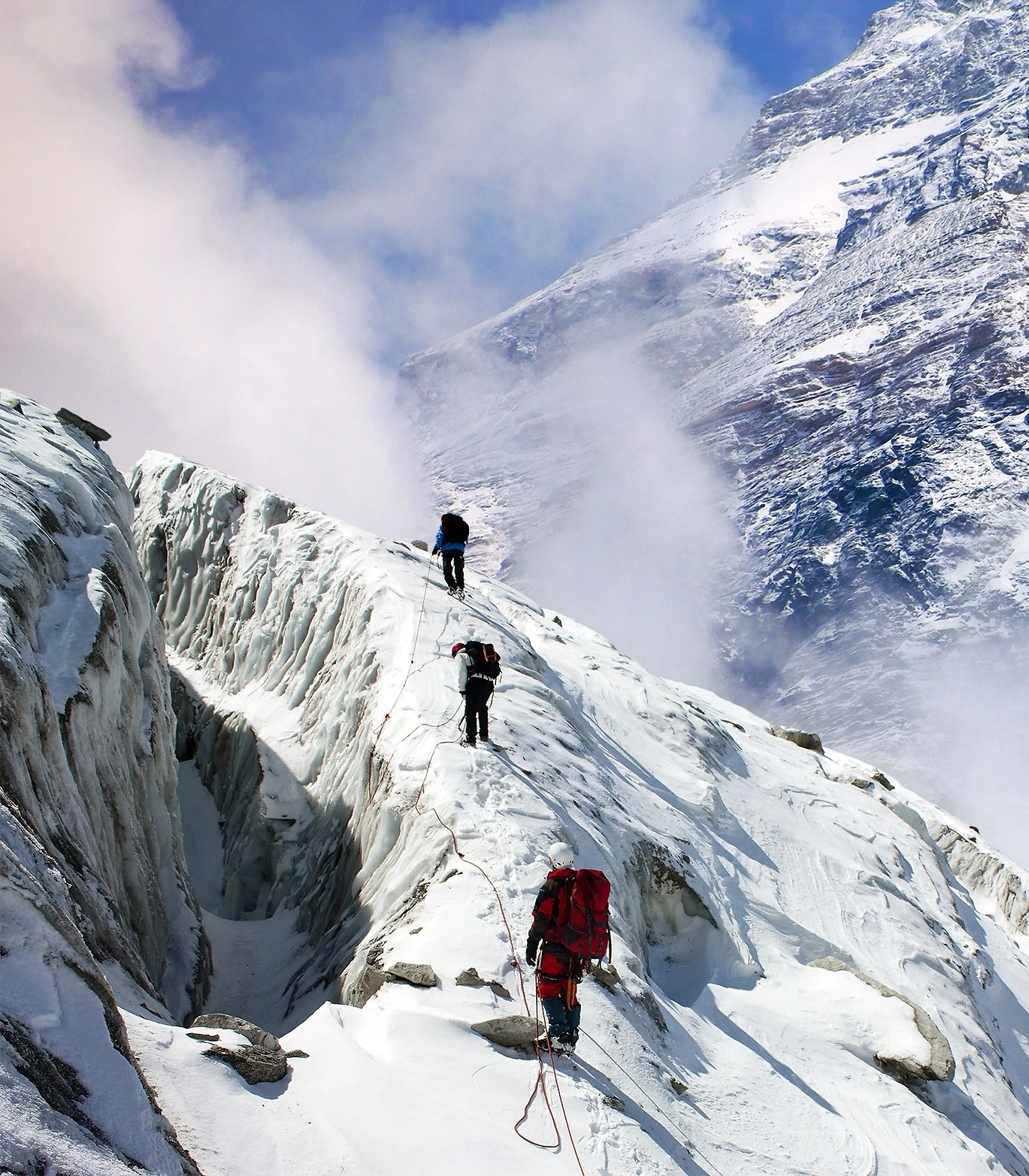
Mountaineering
“ I never wish for an easy life... I always wished I were better, to be able to overcome challenges. 80 percent of what I do happens in the head, 15 percent is physical, and 5 percent is luck -Mike Horn ”
“ Mountains are not fair or unfair, they are just dangerous.” - Reinhold Messner ”
“ The mountains are calling, and I must go. - John Muir ”
“ I never wish for an easy life... I always wished I were better, to be able to overcome challenges. 80 percent of what I do happens in the head, 15 percent is physical, and 5 percent is luck -Mike Horn ”
“ Mountains are not fair or unfair, they are just dangerous.” - Reinhold Messner ”
“ The mountains are calling, and I must go. - John Muir ”
“ I never wish for an easy life... I always wished I were better, to be able to overcome challenges. 80 percent of what I do happens in the head, 15 percent is physical, and 5 percent is luck -Mike Horn ”
It is estimated that Mountaineering at 6,000 meters or higher, claims the lives of 20 people annually. Studies confirm that Mountaineering is generally more dangerous than pure rock climbing. Naturally, every mountain is unique with some mountains posing high levels of danger and corresponding fatality rates. Mt. Everest claims the lives of sixteen out of every 1,000 mountaineers. Annapurna, in Nepal has claimed the lives of 61 of the 183 climbers, a 33% fatality rate. Mount Blanc, tallest peak in Europe at 15,782 feet is not particularly tall, but dozens die annually due to the altitude and rockslides. Lack of respect for this mountain, ease of access and resultant poor preparation accounts for the high mortality rate.
FICOR Score
(Fatality & Injury Classification of Risk)
FICOR score is based on XDGE's proprietary scoring system
Minimum score to be considered for XDGE is 50, and the maximum is 100. This FICOR score is based on available data combined with XDGE's proprietary scoring system which weights several factors based on importance, including: insurance risk scores for the particular activity being evaluated, reaction time available as an adverse event unfolds, speed, height, depth, technical difficulty, ability to mitigate risk during activity, availability of backup equipment, involvment of other participants, location of activity, mental focus required, outcome resulting of most mishaps such as death or hospitalization, and a determination of the likelihood of having a major accident if that sport is done frequently.
Events
View all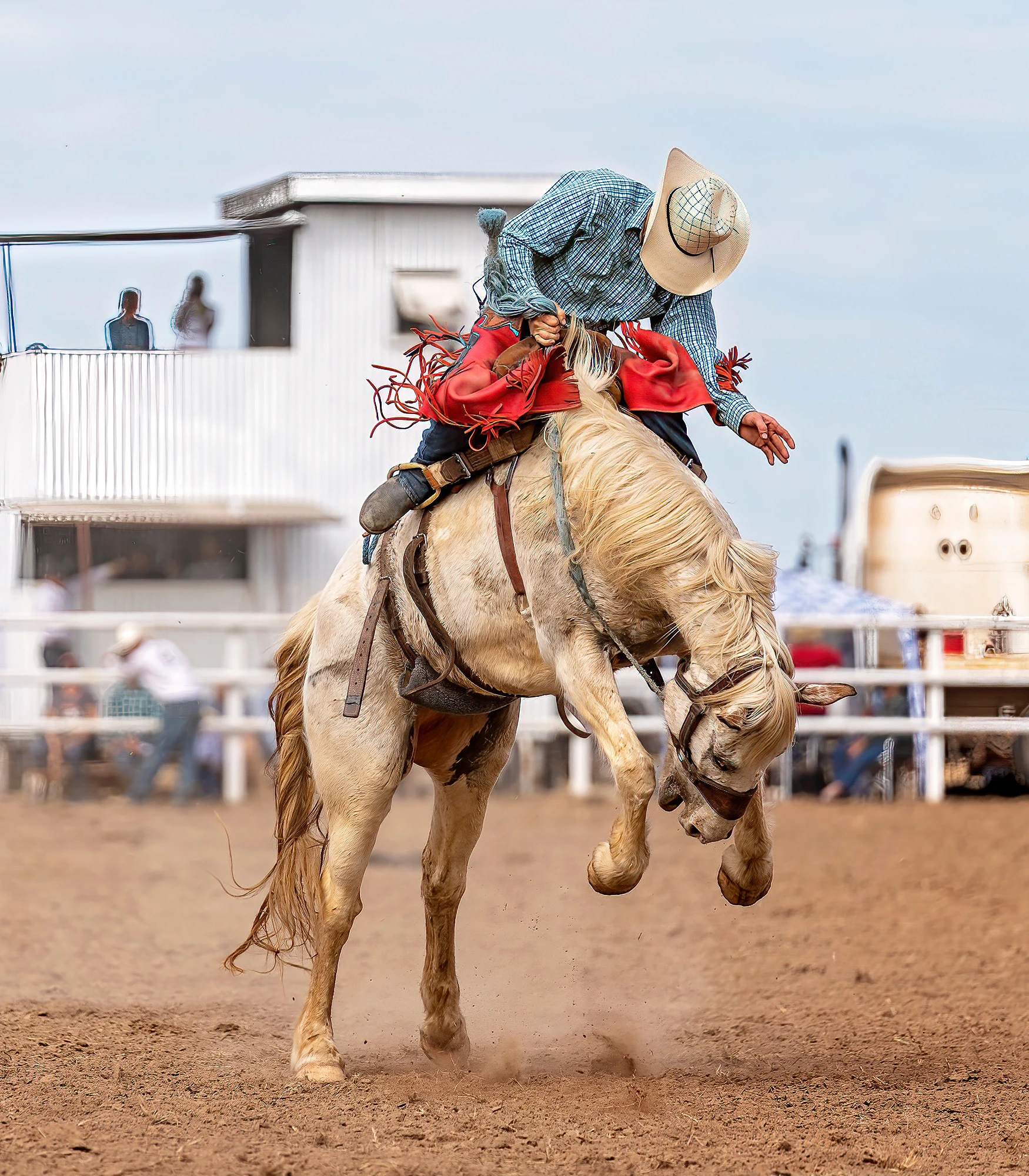
The American Rodeo Central Regional Qualifier
- Apr 16, 2026 | 02:00 PM to Apr 16, 2026 | 02:00 PM
- 3001 General Pershing Blvd

IRONMAN Texas
- Apr 17, 2026 | 12:00 PM to Apr 17, 2026 | 12:00 PM
- 2505 Lake Woodlands Dr, The Woodlands, TX
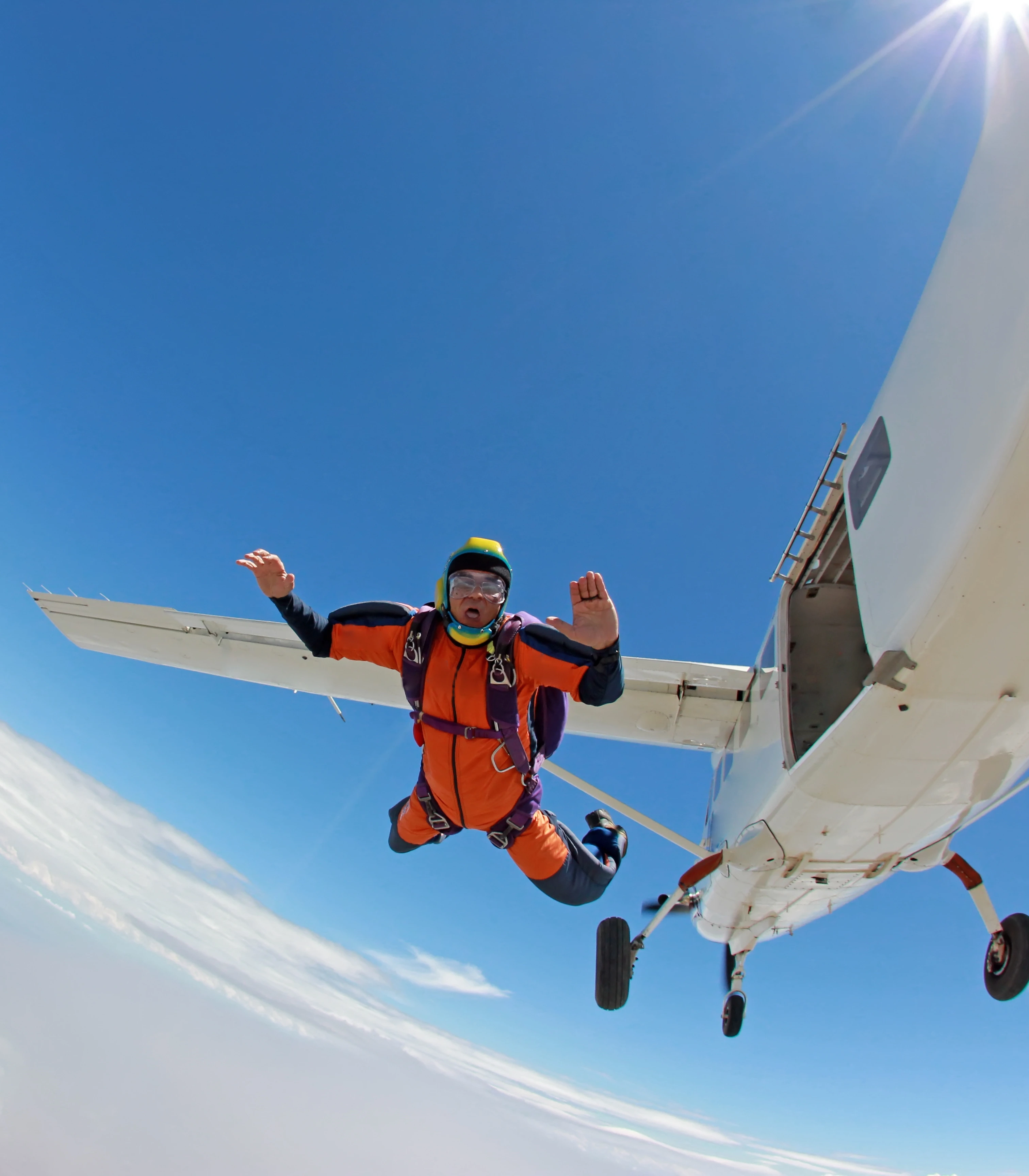
CarolinaFest Boogie 2026
- Apr 17, 2026 | 01:00 PM to Apr 17, 2026 | 01:00 PM
- Skydive Carolina, 1418 Midwood Rd